
How We Place Hospitality Talent, Melbourne
Twenty years running venues. Now we place who runs them.
Taste Hospitality was built on the floor and in the kitchen, not around a recruiter's desk. That background shapes every brief we take on and every candidate we put forward.
20
Years Experience. Running venue operations ourselves
100%
Reference-Checked. Once selected for interview
7–10
Days. Average time to shortlist
Check-in support
We stay engaged after placement to ensure it lands well
The Taste Way
We know good, because
we've done it.
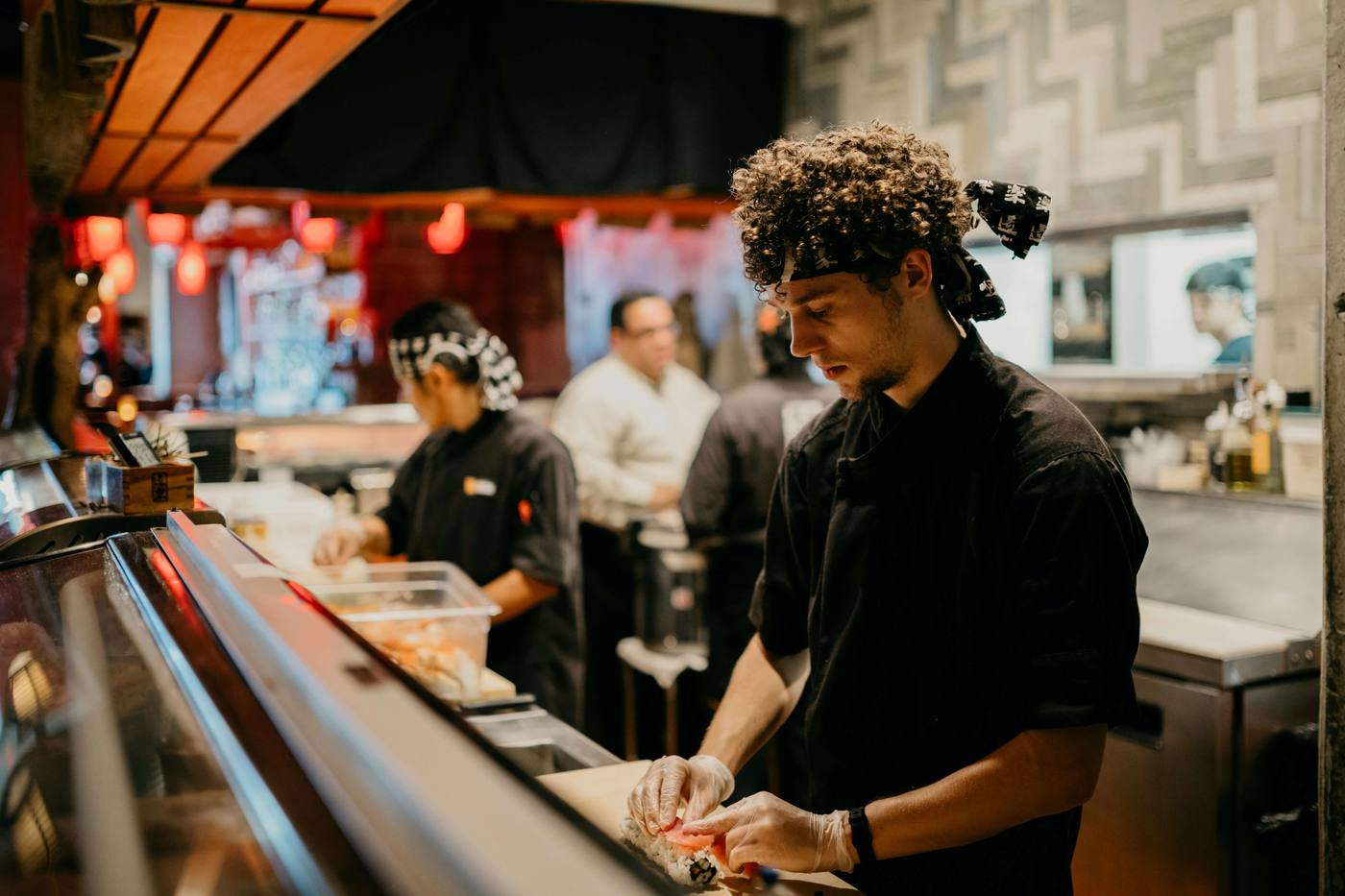
Before Taste Hospitality, we spent twenty years running venue operations ourselves, service, rosters, hiring, the lot. That's the difference between a recruiter reading a job spec and one who's actually stood in the room a hire is walking into. We know what a strong Head Chef sounds like under pressure and what a General Manager needs to hold a floor together, because we've been the ones doing it.
Twenty years of hands-on operational experience means we know what good actually looks like on the floor and in the kitchen, not just on paper.
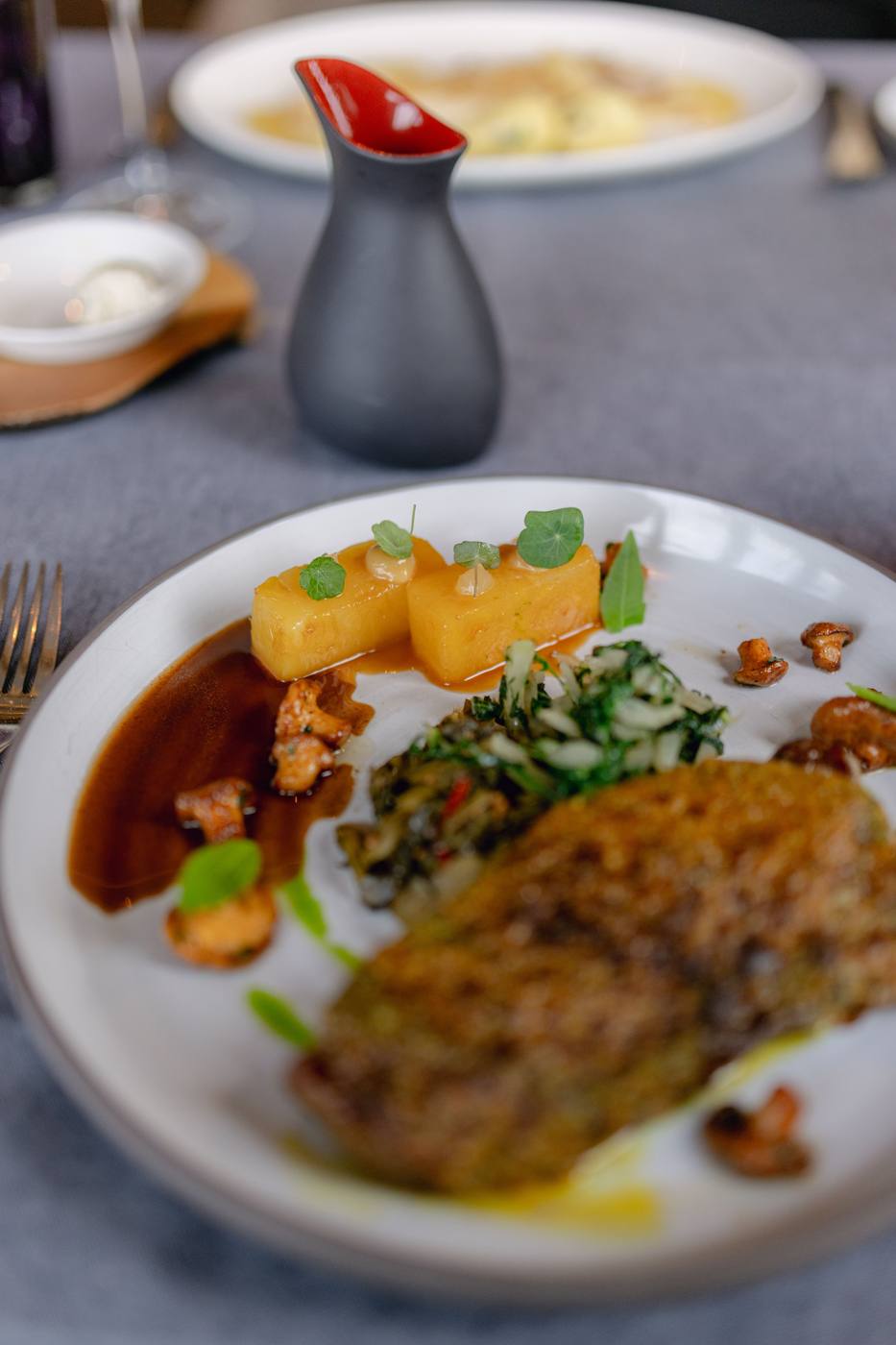
A venue in crisis needs a different leader to one that's thriving. We screen for the specific challenge in front of you, every time.

Structured check-ins at week one, month one and month three, because our job isn't finished when someone signs.

The Process
How Taste works
Step 01
Understand the venue
We start with a proper conversation, not a form. Team morale, why the role's actually open, what's realistic on salary and timeline, and what the room needs that the last person couldn't give it. A job spec tells us what the role is on paper; this tells us what it needs to be in practice.
In practice: this is a phone call, usually before anything is written down. We'd rather ask an awkward question upfront than send you the wrong shortlist.
Step 02
Go to market
The strongest candidates for senior roles are rarely scrolling job boards. We combine direct approaches through our own network with headhunting and advertising, so we're not relying on one channel to carry the whole search, particularly for roles where the right person isn't actively looking.
In practice: for a Head Chef or GM role, a meaningful share of our strongest candidates come from a direct conversation, not an ad response.
Step 03
Screened for the venue
Every screen is weighed against your specific brief, not a generic checklist. We ask operational questions someone who's actually run a venue would ask: how they've handled a bad Saturday, how they manage a team under pressure, what they'd change in their first thirty days. That's where the real signal is.
In practice: a candidate who's a great fit for a high-volume venue in growth mode might be entirely wrong for one that needs stabilising. We screen for the situation you're actually in.
Step 04
Reference checked
Every candidate is reference checked once they're selected for interview, not after an offer's on the table. We're not just confirming dates and titles; we're asking what they were actually like to work with, so no one's time gets wasted further down the process.
In practice: 100% of candidates we put in front of you have been reference checked. If something doesn't stack up, you hear about it before the interview, not after.
Step 05
Onboarding support
Placement isn't the finish line. We help set expectations on both sides before day one, so week one is a running start instead of a guess, for the venue and for the person walking into it.
In practice: that might mean a short call with both parties before the start date, or simply making sure the first week's plan is clear and realistic.
Step 06
3 month placement support
We stay engaged after the placement with structured check-ins at week one, month one and month three. Most friction that ends a placement early shows up as something small first; this is how we catch it before it becomes a resignation.
In practice: these are short, direct conversations with both the venue and the candidate, not a box-ticking survey.
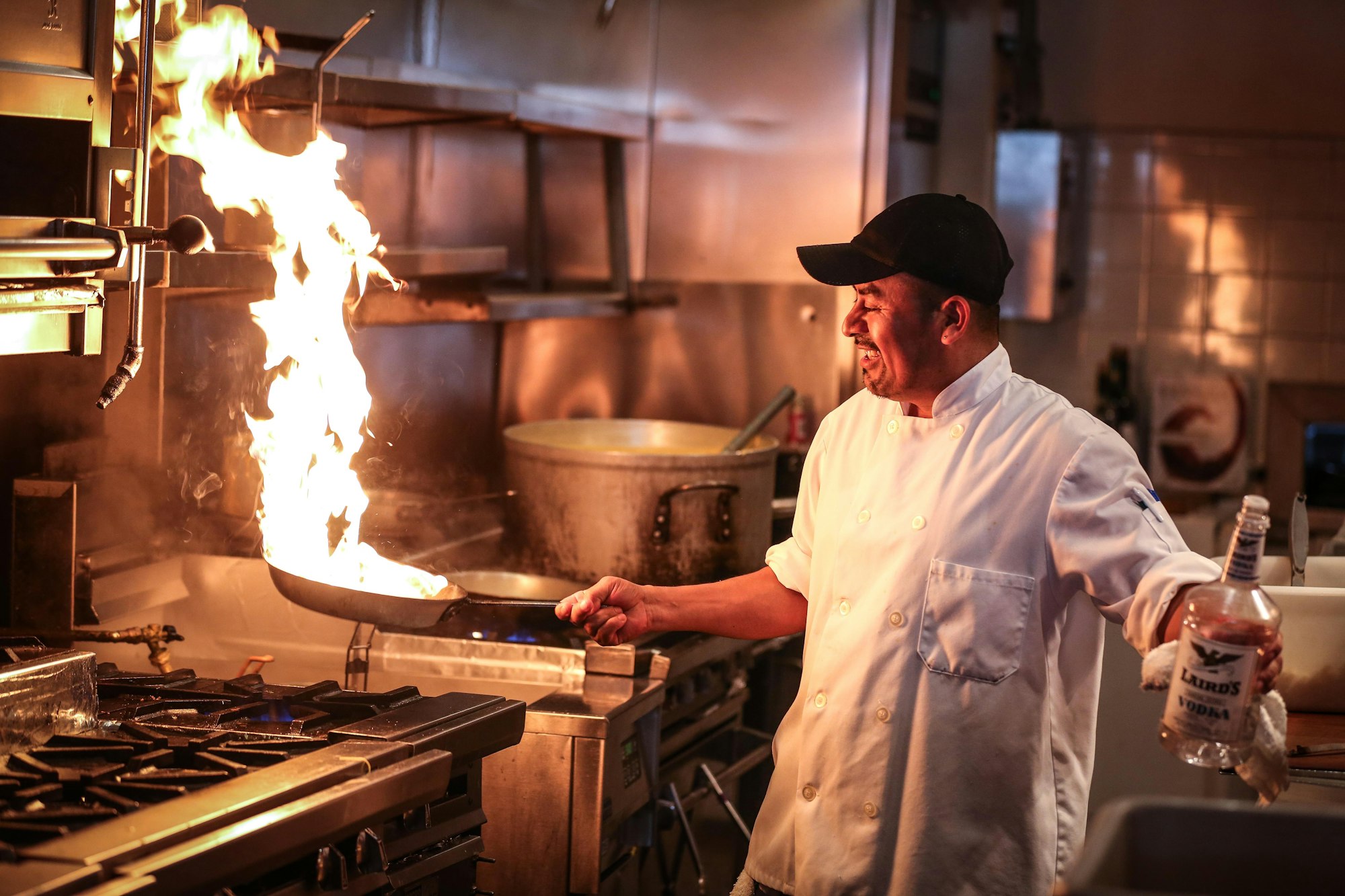
Got a role that's hard to get right?
Leave a few details and we'll call you to talk through the role properly.
Brief a role